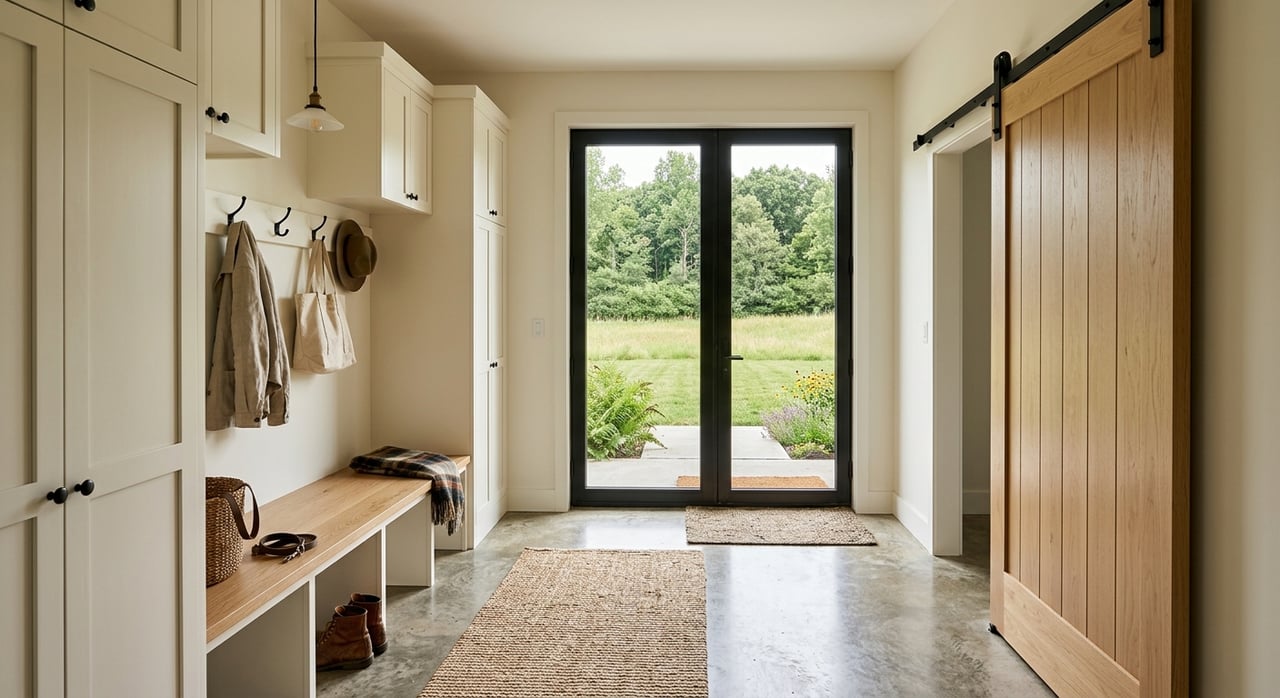
Moving From Fort Worth To Parker County Acreage
July 9, 2026
July 9, 2026
Are you dreaming about trading a Fort Worth backyard for Parker County acreage? It is a move a lot of buyers are considering, but it is not as simple as swapping city life for more land. If you are thinking about Weatherford, Aledo, Brock, or nearby areas, you need a clear picture of pricing, timing, taxes, and day-to-day ownership so you can move with confidence. Let’s dive in.
For many Fort Worth homeowners, the draw of Parker County is easy to understand. You may want more privacy, more room to build, space for a shop or guest house, or land that better fits the way you want to live.
Parker County is also growing quickly. Its population reached 184,767 in July 2025, which was up 24.6 percent from the 2020 census base. Weatherford grew to 40,634 residents, and Aledo reached 7,122, showing that demand for space and access is not slowing down.
Weatherford sits about 30 miles west of Fort Worth, and the city notes that many residents commute into the Metroplex. That makes Parker County appealing if you want a more rural setting without giving up access to Fort Worth-Arlington employment, shopping, and services.
One of the biggest mistakes buyers make is assuming acreage markets are automatically cheaper than Fort Worth. The current numbers tell a more nuanced story.
In May 2026, Fort Worth’s median sale price was $337,798, with homes averaging 47 days on market. Weatherford’s median sale price was $348,791 with 48 days on market, while Aledo’s median sale price was $547,173 with 57 days on market.
That means Weatherford is relatively close to Fort Worth pricing, but Aledo sits at a clear premium. If you are moving west, your budget may need to stretch not only for land, but also for the specific submarket you choose.
Year-over-year movement matters too. Fort Worth prices were down 0.65 percent, while Weatherford rose 2.6 percent and Aledo rose 13.1 percent. In other words, Parker County acreage areas are not just lower-cost alternatives to city housing. They can behave like their own market, with stronger price pressure in certain pockets.
If you are narrowing your search, Weatherford and Aledo often come up first. Each offers a different value equation.
Weatherford tends to make sense for buyers who want more options around budget and property type. Since its median price is close to Fort Worth’s, your existing home equity may go farther here than in some premium acreage pockets.
Weatherford can also appeal if you want a mix of in-town convenience and surrounding land opportunities. Many buyers like that they can stay connected to the Metroplex while still gaining more space and a more rural feel.
Aledo often attracts buyers who are comfortable paying more for location, land, and district footprint. With a median sale price of $547,173, it represents a meaningful step up from Fort Worth and Weatherford.
Aledo ISD is a PK-12 district covering 130 square miles across Parker and Tarrant counties and includes communities such as Aledo, Annetta, Cresson, Fort Worth, Hudson Oaks, and Willow Park. For some buyers, district boundaries are a major part of the acreage decision, so it is important to confirm the specific property’s assigned district rather than assume based on mailing address alone.
When you move from Fort Worth to Parker County acreage, the conversation is not only about purchase price. It is also about how your current equity works with your financing, timing, and total ownership cost.
Mortgage costs are still an important planning factor. Freddie Mac reported a 30-year fixed average of 6.43 percent on July 2, 2026, which means monthly payment changes can happen quickly when rates move.
That is why it helps to refresh affordability before you shop seriously. A property that looks workable on paper can feel different once land size, insurance, taxes, utility systems, and commute costs are added to the full monthly picture.
Acreage moves often involve more coordination than a typical resale purchase. You may be selling in Fort Worth while trying to buy an existing home, secure land, or plan a build in Parker County.
Fort Worth, Weatherford, and Aledo are all moving in a similar range right now, at roughly 47, 48, and 57 days on market. That gives you some flexibility, but it does not guarantee a clean same-day close.
If your sale and purchase do not line up perfectly, you may need a backup plan. Some buyers explore temporary financing so they can carry their current home and next property at the same time, but the key issue is whether you can comfortably handle overlapping payments.
Bridge financing exists for buyers who need short-term help while transitioning between homes. It is not right for everyone, but it can be useful if your Fort Worth home has strong equity and your next move needs to happen before that sale closes.
The bigger point is this: do not build your entire plan around perfect timing. A strong strategy should account for market days, lender timelines, inspections, and the possibility that your acreage purchase needs more due diligence than a typical suburban resale.
This is where many acreage buyers get surprised. The asking price for the land or home is only part of the true cost.
NAHB’s Fall 2024 survey found that, on average, 64.4 percent of a new home’s sales price was construction cost and 13.7 percent was finished lot cost. If you are buying land to build, that is a useful reminder that the dirt itself is not the full budget story.
Site prep, utility extension, driveway work, septic, drainage, and water systems can all push costs higher. If a tract looks affordable at first glance, you still need to ask what it takes to make it fully functional for the way you plan to use it.
Before you commit to land or a tear-down opportunity, make sure you understand:
In Parker County, subdivision rules apply outside incorporated cities and towns, and the county also has floodplain development requirements. County right-of-way rules can also affect what can be placed near county roads, so access and improvement questions should be part of early due diligence.
Every home should be inspected, but acreage properties often need a wider lens. A standard home inspection is important, yet it may not cover every site-specific system in the detail you need.
Inspection contingencies can allow you to step back if findings are unsatisfactory, and appraisals can trigger renegotiation if value or repair issues come up. On acreage, that matters because you may be dealing with wells, septic systems, long private driveways, fencing, drainage patterns, or outbuildings.
The practical takeaway is simple: do not treat acreage like a standard subdivision home. The more land and systems involved, the more important it is to understand what you are really buying.
A lot of buyers assume that more land means lower taxes. In Texas, that is not automatically true.
Texas has no state property tax, so your bill is driven by local taxing units. The Texas Comptroller says school districts must provide a $140,000 residence homestead exemption, and exemption applications are generally filed with the local appraisal district before May 1.
Some acreage may also qualify for agricultural or open-space appraisal based on productivity value instead of market value, but that depends on the land meeting use requirements. Simply buying a property with extra acreage does not mean it will receive special tax treatment.
Property values for tax purposes are appraised at market value, and appraisal districts must reappraise at least once every three years. If you add improvements or buy in an area where demand is rising, your taxable value can change over time.
That makes it important to review not just the current tax bill, but also how the property is classified and whether that classification is likely to continue after closing. A tract with a favorable current setup may look very different once ownership or use changes.
For many buyers, acreage living is worth the extra responsibility. Still, it helps to understand what that responsibility actually looks like.
The Texas Water Development Board says private well water quality is not regulated statewide, which means well owners are responsible for testing and treatment decisions. Testing can range from about $20 for bacteria screening to about $400 for a full analysis.
The Texas Commission on Environmental Quality says almost all on-site sewage facilities need a permit before construction, installation, repair, extension, or alteration. It also recommends pumping septic tanks every three to five years.
None of this means acreage is a bad idea. It simply means you are taking on systems that need active care, budgeting, and occasional professional service.
More acreage can absolutely improve the way you live, but only if it fits your real routine. The right property should support your commute, maintenance comfort level, and long-term plans.
For some buyers, the trade is easy. More privacy, room for animals, workshop space, wider views, and less density make the move feel worthwhile from day one.
For others, the tradeoffs deserve honest discussion. Acreage often means more self-management of drainage, fencing, maintenance, access, water, and septic systems. It can also mean more drive time and more moving parts if you plan to build or renovate.
For many households, school district boundaries play a key role in the search. Weatherford ISD serves more than 8,200 students on 11 campuses, Aledo ISD serves PK-12 across a broad multi-community footprint, and Brock ISD serves about 2,190 students on five campuses.
The most helpful way to use that information is as planning context, not as a shortcut. If district placement matters to you, verify the exact property assignment early in your home search.
Moving from Fort Worth to Parker County acreage can be a great decision, but it works best when you approach it with clear eyes. You are not just buying more space. You are choosing a different budget structure, a different ownership experience, and a different pace of life.
That is where local guidance matters. When you are comparing Weatherford to Aledo, evaluating land versus resale, or weighing taxes, wells, septic, and timing, candid advice can save you from expensive assumptions.
If you are thinking about making the move, Ivy House Realty can help you sort through the details, compare your options, and build a plan that fits your goals.
Stay up to date on the latest real estate trends.
We pride ourselves in providing personalized solutions that bring our clients closer to their dream properties and enhance their long-term wealth.