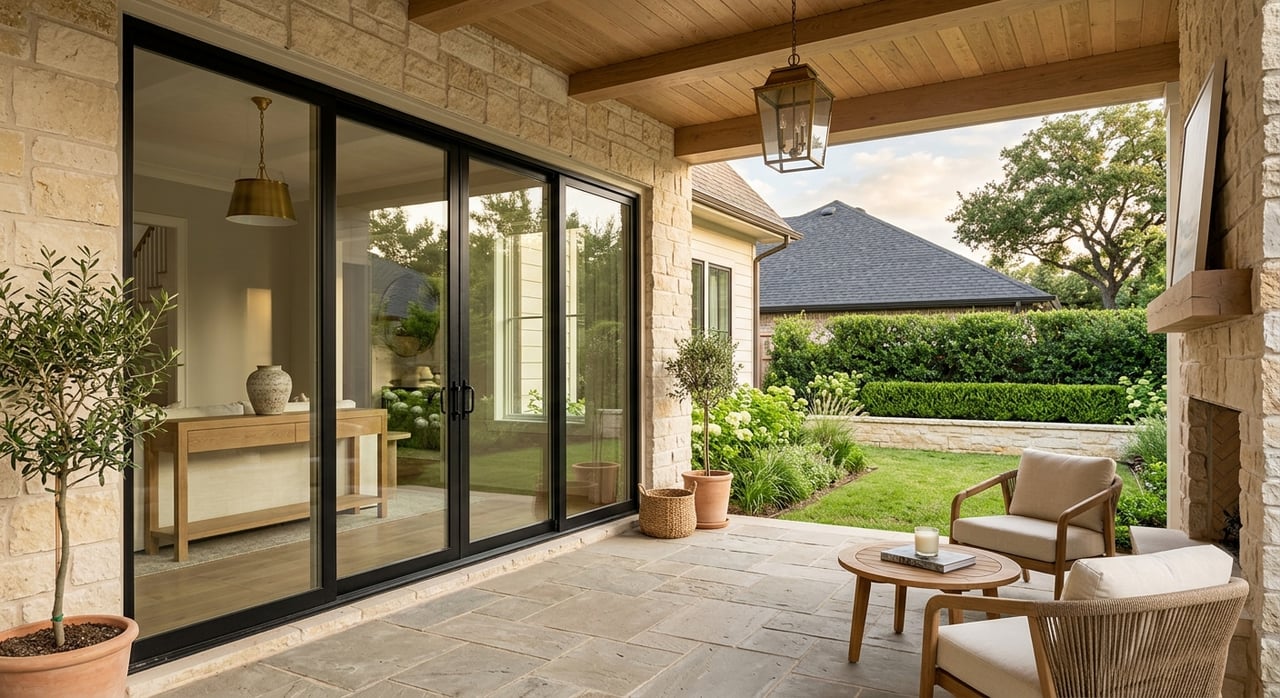
Choosing Between Acreage And Communities In Aledo
June 18, 2026
June 18, 2026
If you are drawn to Aledo, you may already know the big question is not just which house to buy. It is which lifestyle fits you better. Some buyers want room to spread out on acreage, while others want the ease and amenities of a planned community. The right answer depends on how you want to live day to day, what responsibilities you want to take on, and how you want the property to serve you long term. Let’s dive in.
Aledo offers a mix that many buyers find appealing. It is a growing city in Parker County about 20 miles west of Fort Worth, with more than 6,000 residents, six free public parks, and access that matters to many commuters as I-20 mobility projects continue west of Fort Worth.
That combination creates a real fork in the road for buyers. You can choose a home in a master-planned neighborhood with shared amenities and more predictable infrastructure, or you can choose acreage that offers privacy, flexibility, and a more rural feel. Neither path is better across the board. It comes down to your priorities.
Master-planned neighborhoods in Aledo are designed around convenience, shared recreation, and a more structured setting. In neighborhoods such as Morningstar and Parks of Aledo, buyers may find features like pools, trails, playgrounds, dog parks, lakes, event lawns, community gardens, and other shared spaces.
That setup can make daily life feel easy to step into. Instead of planning for every outdoor feature on your own property, you may have access to trails, open green space, or gathering areas already built into the neighborhood. In many cases, city utilities are also part of the appeal.
Aledo’s planning direction also helps explain why some buyers are drawn to this option. The city’s strategic plan supports high-quality housing, master-planned communities, and connections to parks, open space, schools, and retail. If you like the idea of a neighborhood that feels intentionally laid out, this can be a strong fit.
Community living often appeals to buyers who want:
Acreage usually attracts buyers who want more separation, more land use options, and a little more breathing room. If you picture a workshop, guest structure, room for animals, or simply more distance between you and your neighbors, acreage can offer a very different experience from subdivision living.
That extra space can also support future plans. Some buyers are looking for flexibility to add improvements over time or to shape the property around how they live. In the Aledo area, that possibility is part of the appeal, especially for buyers moving west from more compact parts of DFW.
Still, flexibility is not unlimited. Whether a property falls inside Aledo city limits, near the city edge, or in county-governed areas can affect what rules apply. Inside city limits, Aledo code enforcement handles property maintenance, zoning, and other local regulations, so boundaries matter more than many buyers expect.
Acreage often appeals to buyers who want:
This is usually the heart of the decision. Acreage tends to offer more privacy and more space under your control. Planned communities tend to offer more convenience, more shared amenities, and more predictable neighborhood conditions.
If you want to step outside and enjoy trails, parks, or gathering spaces without maintaining all of that yourself, a community may feel like the easier choice. If you would rather have open ground, fewer immediate neighbors, and more room to shape the property around your needs, acreage may feel worth the added responsibility.
In Aledo, both lifestyles are easy to find. The real question is which tradeoff feels lighter to you.
One of the biggest differences between these options is not the home itself. It is what you are taking on after closing.
In a community setting, some upkeep is handled through HOA structures and city systems. That does not mean ownership is maintenance-free, but it can mean fewer moving parts when it comes to roads, shared spaces, and utility service.
With acreage, more responsibility often falls directly on you. Depending on the property, that may include driveway upkeep, drainage concerns, culverts, septic maintenance, well planning, or private-road questions. Parker County’s subdivision rules note that some roads are private and maintained by residents or homeowners associations, which is an important detail to verify early.
Before you fall in love with the view, make sure you understand:
For many buyers, acreage becomes more or less attractive once utility questions come into focus. If a tract is not served by city utilities, Parker County rules may require a water or sewer service letter, or a statement that lots are suitable for private wells if no service is available within 300 feet.
Wastewater also deserves careful attention. TCEQ says on-site sewage facilities must be designed from a site evaluation that accounts for local conditions, and the property owner is responsible for maintenance and repairs. In simple terms, septic feasibility should be part of your early due diligence, not a box to check at the end.
This is one reason a community home can feel simpler. In many planned neighborhoods, the utility picture is more straightforward, which can make budgeting and planning easier.
Many buyers assume a larger tract automatically brings a tax advantage. In reality, the tax picture depends on how the land is classified and used.
Texas allows qualifying agricultural or open-space land to be appraised on productivity value rather than market value, but not every tract qualifies. The application goes through the county appraisal district, and if the land changes to a non-agricultural use later, rollback tax can apply for the prior three years.
In Parker County, the Parker County Appraisal District is the office to contact about valuation, exemptions, protests, and classification questions. That makes early verification important. If a property is being marketed with a certain tax treatment, you should confirm what is in place and what would happen if your planned use changes.
A smart comparison is not just purchase price versus purchase price. It is the full cost of ownership in each setting.
For a community home, recurring costs may include HOA dues and the ongoing cost structure that supports shared amenities. Parks of Aledo, for example, publicly lists HOA pricing, which is a reminder that neighborhood amenities are part of the financial equation.
For acreage, ongoing costs may look different. You may need to account for septic service, possible well-related expenses, private-road upkeep, driveway work, drainage improvements, or tax changes tied to land use. Sometimes acreage feels less structured at first glance, but the real cost picture can be more layered.
When you think ahead to resale, buyer pool matters. In general, community homes often appeal to a broader audience because they package utilities, neighborhood standards, and amenities in a way that is easy for many buyers to understand.
Acreage tends to be more specialized. Buyers who want land may be highly motivated, but they are usually also more focused on details like road access, tract usability, utility setup, and any special tax treatment already in place.
That does not make acreage a worse investment. It simply means the property’s value story may depend more heavily on the specifics. In our market, that is where local guidance matters.
If school attendance is part of your search, do not assume a mailing address settles the question. Aledo ISD says boundary questions should be checked against appraisal-district records, and the district is not open enrollment.
That is especially important when you are looking at acreage, edge-of-city properties, or homes in areas where lines between Parker and Tarrant County influence how buyers describe location. Verify the property itself, not just the neighborhood name.
If you are torn between acreage and a community, start with your daily life rather than the listing photos. Think about how much maintenance you want to own, how important privacy is to you, how often you would use neighborhood amenities, and whether future flexibility is a major goal.
It can help to compare the two options side by side:
| Priority | Community Home | Acreage Property |
|---|---|---|
| Privacy | Usually less separation | Usually more separation |
| Amenities | Shared trails, parks, pools, gathering spaces in some neighborhoods | Usually create your own amenities on site |
| Maintenance | More may be supported by HOA or city systems | More owner responsibility |
| Utilities | Often more predictable | May require deeper due diligence |
| Flexibility | More structured setting | More room to adapt, within applicable rules |
| Resale Audience | Often broader | Often more specialized |
The best choice is the one that supports your real life, not just your wish list. In Aledo, both options can be strong. The key is understanding what you are gaining, what you are taking on, and how each property fits your long-term plans.
If you are weighing acreage against neighborhood living in Aledo, Ivy House Realty can help you compare the details that really matter, from utility and land-use questions to community fit and long-term value.
Stay up to date on the latest real estate trends.
We pride ourselves in providing personalized solutions that bring our clients closer to their dream properties and enhance their long-term wealth.